Why St John's Wood Remains One of London's Most Stable Prime Residential Markets
Some London neighbourhoods follow market sentiment like weather vanes - turning with every shift in economic conditions or buyer confidence. St John's Wood doesn't operate that way. Recent data shows house prices here running roughly 30% below Mayfair and Knightsbridge, yet the market maintains consistent strength.
This stability isn't coincidental or about temporary recovery. What works here creates lasting appeal regardless of broader economic conditions.
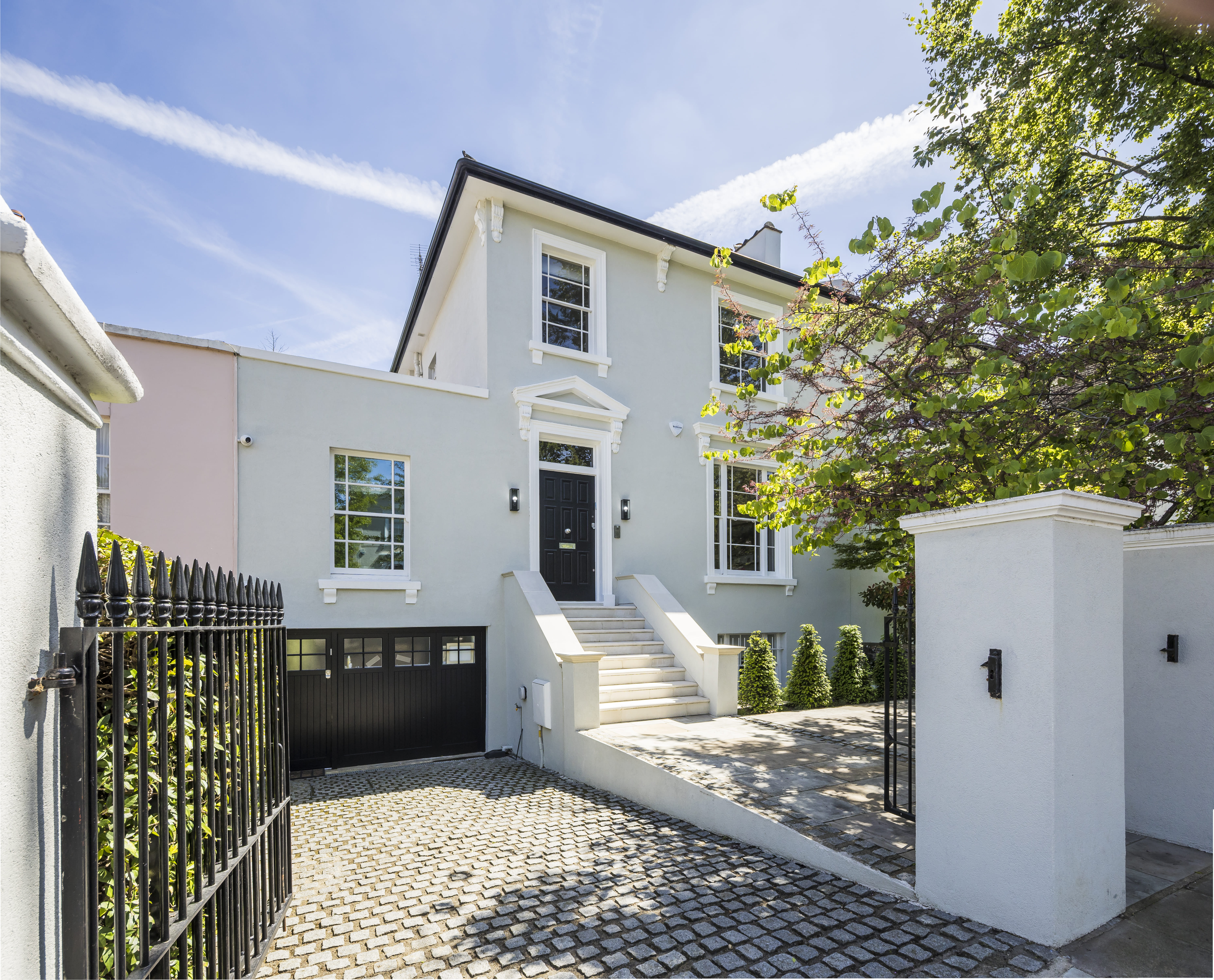
Built-in scarcity that can't be replicated
St John's Wood was planned differently from the start. Those early 19th-century developers rejected London's traditional terrace model, creating detached villas and substantial houses set within private gardens. What seemed innovative then has become irreplaceable.
The original estate was conceived as London's first villa suburb, deliberately designed to offer country living within the capital. This vision shaped everything from road widths to building heights, creating the spacious character that defines the area today.
Conservation area status now protects this character through planning restrictions that make new development exceptionally difficult. While other areas see regular additions to housing stock through modern developments, St John's Wood essentially remains fixed at its historical capacity.
Working as estate agents in St Johns Wood, we see how this scarcity operates in practice. When quality family houses become available, they represent genuinely limited assets rather than one option among many. Garden sizes dwarf those in neighbouring areas - space that becomes more precious as London densifies elsewhere.
Family buyers provide market foundation
The most significant factor supporting St John's Wood's stability lies in its buyer profile. Affluent families seeking to upsize form a substantial portion of purchasers - buyers who typically remain in properties for extended periods rather than treating them as short-term investments.
The American School in London creates consistent international family demand. Regent's Park provides genuine outdoor space within Zone 1. Safe, tree-lined streets enable children to move independently - considerations that matter more to family buyers than speculative investors.
Educational options extend beyond the American School. Schools matter here beyond just the American School. Parents have good options whether they want independent education or decent state primaries nearby. That's partly why families typically stay for years once they move in.
The High Street helps too - proper local shops, weekend farmers market, the kind of community feel that's harder to find in central London. Parents appreciate being able to walk to things rather than driving everywhere.
British buyers provide strong domestic demand for property for sale in St Johns Wood, keeping things steady when international markets shift. When one buyer group pulls back, others typically step in - that mix creates more stability than areas dependent on single buyer types.
The value proposition that works
The market reveals something important about St John's Wood's positioning. That 30% price differential versus ultra-prime locations creates genuine opportunities for families considering prime central London. Rather than compromising on smaller apartments in Mayfair, they can secure substantial houses with proper gardens while maintaining central London convenience.
Cash buyers dominate transactions here - roughly two-thirds complete without financing. This matters more than the numbers suggest. When mortgage rates jump or lending criteria tighten, St John's Wood barely feels the impact. The buyers here have genuine purchasing power rather than depending on low borrowing costs.
Yield and growth combination
Yields deliver solid returns for central London. That's partly because prices haven't completely detached from rental reality here the way they have in some areas.
Take established roads like Acacia Road and Norfolk Road. These aren't just numbers on a spreadsheet - properties at these levels continue finding both buyers and quality tenants. Rental demand comes from the same profile: families and professionals who understand what they're paying for.
Working as property consultants in St Johns Wood, we observe how rental demand comes from similar buyer profiles to purchasers - families seeking quality accommodation rather than speculative tenants. This creates stable letting markets alongside consistent sales activity.
Market performance in context
St John's Wood maintains its position within London's most expensive addresses while remaining accessible compared to ultra-prime alternatives.
The buyer mix matters here. Americans gravitate toward the area partly because of the American School, Europeans appreciate the village feel, Middle Eastern and Chinese families value the established character. But nearly half the buyers are still British families - that domestic foundation keeps things steady when international markets get wobbly.
Transport connections support this international appeal without compromising the residential character. Baker Street and St John's Wood stations provide excellent Underground access, while major roads connect efficiently to Heathrow and other key destinations. Yet the area maintains its quiet, suburban atmosphere despite these connectivity advantages.
Lord's Cricket Ground and Abbey Road don't hurt either. These aren't just tourist attractions - they're part of what makes living here different from a generic postcode. Buyers pay for location, but they stay for the lifestyle these places provide.
Why stability continues
The fundamentals supporting St John's Wood's market position remain unchanged. Limited supply through conservation restrictions, consistent family demand, competitive pricing within Prime Central London, and diverse buyer interest create conditions favouring long-term stability over speculation.
Properties here appeal to buyers seeking genuine homes rather than trading opportunities. This ownership pattern supports value stability through extended holding periods and reduced sensitivity to short-term market sentiment.
For buyers seeking Prime Central London properties that combine lifestyle quality with investment security, St John's Wood provides advantages that few areas can match - space, stability, and value within established prestige location.
For expert guidance on St John's Wood opportunities, contact Ian Green Residential on 020 7586 1000.
Share this Article
Property News and Blog
Read about our latest property news and get our regular property market updates from the team at Ian Green Residential, including specialist market news for Little Venice, Regent’s Park and St John’s Wood.


Useful Links
Accurate, impartial house valuation gives you the means to make better property decisions.
At Ian Green Residential, we are here to assist you with all your property needs. Whether you have a general enquiry, or require a private consultation, our team is ready to help. Contact us today, and let us provide you with the support and information you need!